Storms now arrive with their own fake footage. What protects a destination is a forecaster who already knows where the hotels are before the power goes out.

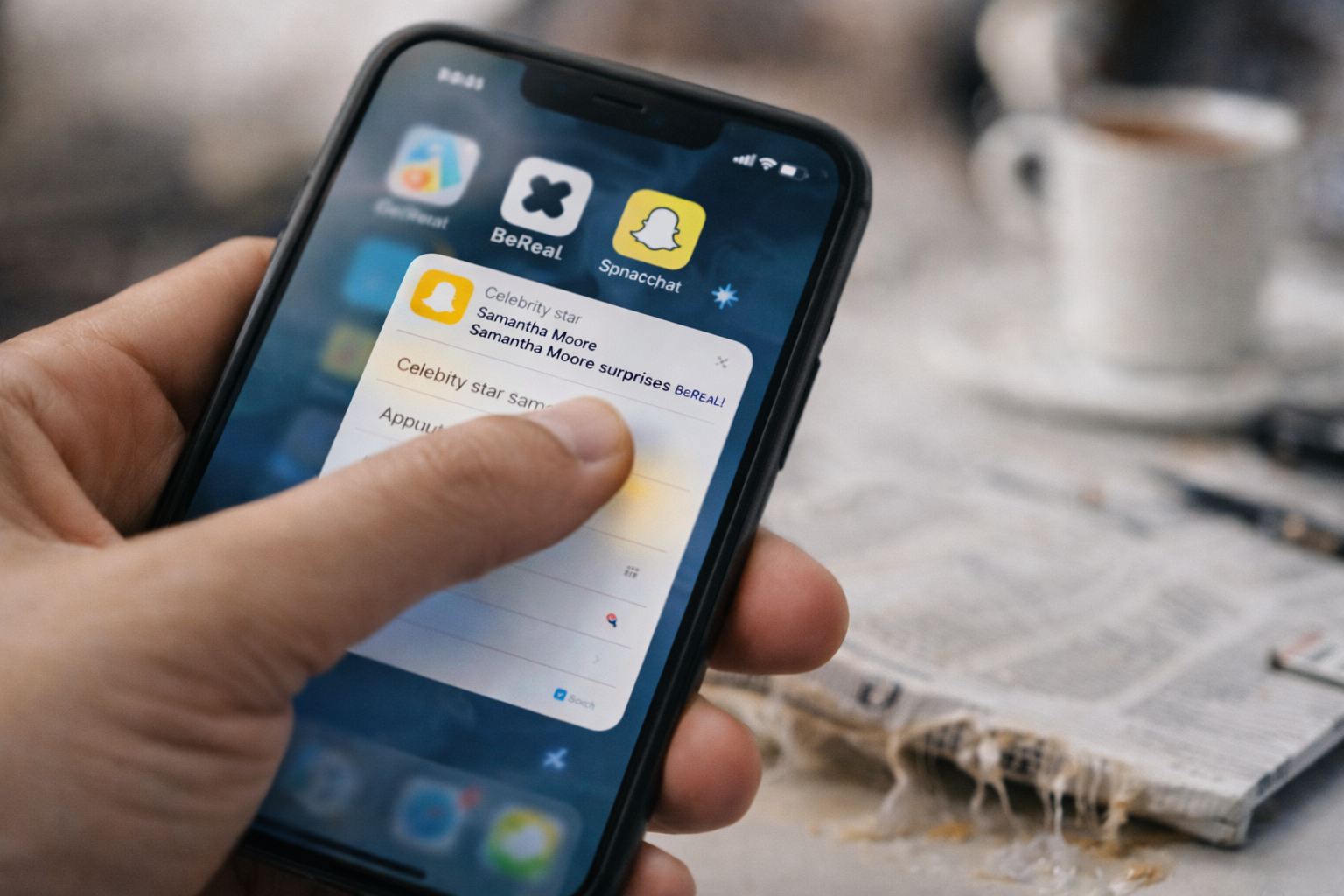
A big storm now arrives with its own fake footage. As Hurricane Melissa crossed Jamaica, one of the most shared clips showed four sharks circling a flooded hotel pool. It was made with AI, the Associated Press found, and so was a video of Kingston's airport in ruins. Loose sharks are such an old hurricane hoax that they arrive on schedule. For part of landfall day, the top TikTok result for the storm was a compilation that recycled older storm footage, posted by an account calling itself "Tornado News USA" and watched more than 1.3 million times, according to Eurovision News Spotlight.
The fakes point to a plainer problem. While a storm is doing its worst, the people who know a place can't post. As locals struggled to get online through power cuts, Eurovision found, fake and misrepresented content "filled the void." Whoever is already trusted, or already loud, takes that space. So the part of storm communications a destination controls happens before the season, in making sure the forecasters, broadcasters and weather creators people listen to know the place well enough to describe it accurately. Those creators cut both ways: weather influencers can be a reputation risk for travel brands as easily as they can be an ally.
Meteorologists know their calls land on real places. In January 2015, after a blizzard forecast for New Jersey and Philadelphia fell far short, Gary Szatkowski of the National Weather Service went on Twitter to apologize: "You made a lot of tough decisions expecting us to get it right, and we didn't." To one reply he added that the decisions "may cost them in multiple ways," Global News reported. A forecaster apologizing for snow that didn't come is someone who cares how the call lands.
That makes the local TV meteorologist, the regional weather account and the storm streamer worth a conversation in the calm months, and the conversation is about geography, not messaging. Where are the hotel zones, the airports, the roads in and out? Which areas flood first and which almost never do? Who at the tourism office answers the phone at midnight? Give them that, and leave the adjectives at home.
Jamaica shows why geography matters. Melissa's forecast track ran over Kingston, but the eye crossed the less developed western and southern coasts instead. Montego Bay took heavy damage, while Ocho Rios, Portland and the Blue Mountains were open and reachable, The Points Guy reported. A traveler who only saw the cone heading for the capital would reasonably assume the whole island was out.
Jamaica's tourism officials answered with numbers rather than reassurance. Philip Rose, the deputy director of tourism, gave dates: all three airports open, 70% of hotels by December 15, 80% by January, all of them by May. He also allowed himself a line any reporter would quote: "While Hurricane Melissa was one of our most unwanted visitors ever, she came, she left some damage on the island, but over two-thirds of the island is up running properly." The sector did reopen in December with 70% of its rooms, the tourism ministry said later. A dated number gives a forecaster or a creator something to repeat. "Open for business" gives them nothing.
When Helene flooded western North Carolina, the voices people trusted were the ones already on the air. Callers to News Radio 570 WWNC asked whether a dam was failing ("People are freaking out right now," one said), and the hosts could tell them the rumor was misinformation, CNN reported. Nobody gets that standing during a disaster. It's earned over years of ordinary weather.
Asheville's tourism office handled the second audience well. Its first message to would-be visitors was "Love Asheville From Afar": donate, and buy from local shops online. About a month later it began inviting people back "in stages and pockets, when and where it's safe to do so," pointing to North Carolina's travel advisory map, which colors each county by roads, power, running water and open businesses, WFAE reported. Telling travelers to stay away first is a hard thing for a tourism office to say. It also made the later invitation believable, and the map gave anyone covering the comeback a source that wasn't the tourism office.
Make a short list of the weather voices your visitors actually follow, including the ones on YouTube and TikTok, and meet them before anything is spinning offshore. Send each a one-page map of where visitors stay and how they get in, plus a named contact. Agree in advance where you'll post dated, specific updates, and keep messages for people already in town separate from messages for people with bookings next month.
Most storm plans are written as crisis communications, to be pulled off a shelf when the forecast turns. The useful part is closer to media relations, because it depends on people who already know you. Forecasters will be on the air the night a storm hits either way. A destination's best hope is that the person describing it has been there.
Brouhaha Collective is an earned media agency for travel, tourism and the brands around them.
Work with us →